Профессиональная установка заборов: common mistakes that cost you money
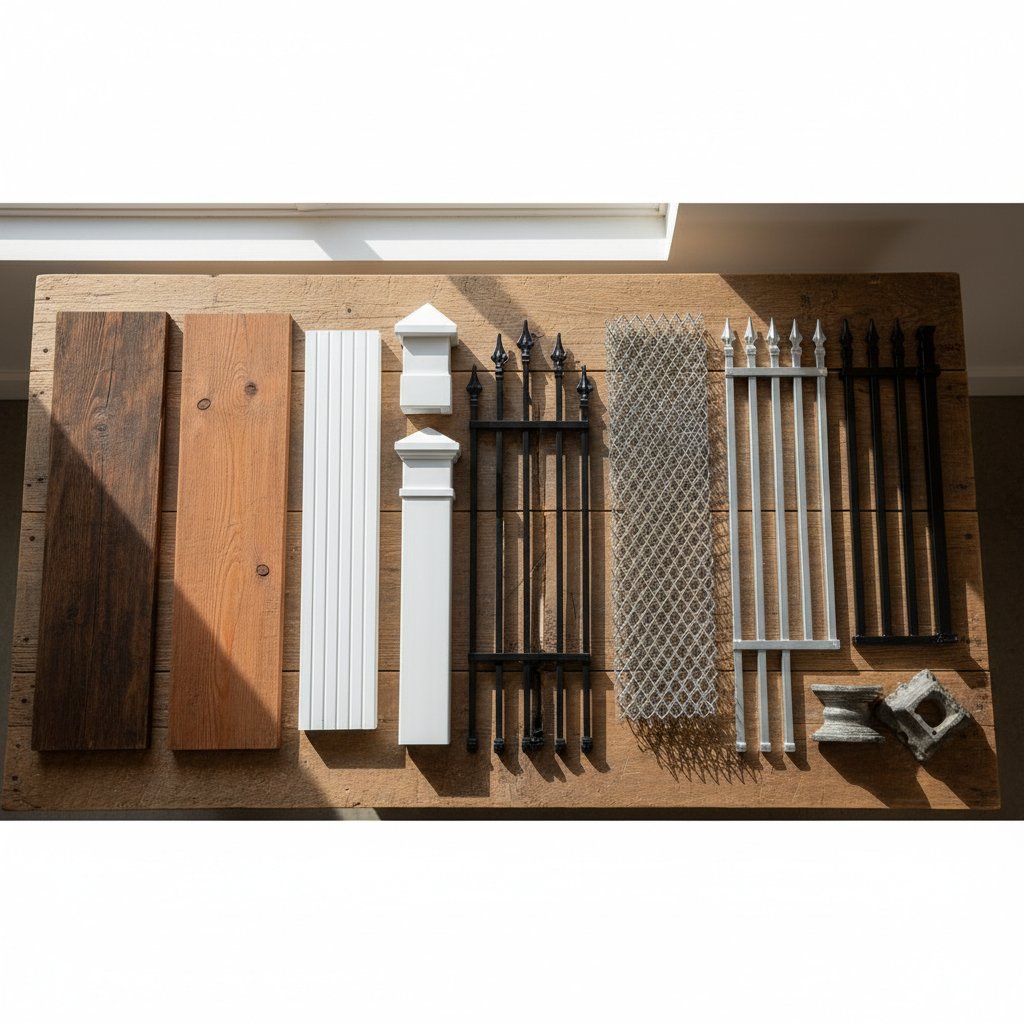
The Real Cost of Fence Installation: DIY vs. Professional Installation
You've got a budget, a weekend free, and YouTube tutorials at your fingertips. How hard can fence installation be? Spoiler alert: harder than you think. I've watched countless homeowners turn a $3,000 professional job into a $5,000 nightmare because they didn't know what they didn't know.
The fence installation game comes down to two paths: grab your post hole digger and do it yourself, or hand over the reins to experienced installers. Both approaches have their champions and their horror stories. Let's dig into what actually happens when money meets reality.
The DIY Route: What You're Really Signing Up For
The Upside
- Immediate savings of 40-60% on labor costs – A professional crew charges $25-50 per linear foot installed, while materials alone might run you $10-20 per foot
- Complete control over timeline – Work at 6 AM or midnight if that's your thing
- Learning experience – You'll know every inch of your fence because you sweated over it
- Flexibility to pause – Run out of materials? Stop mid-project without paying crew downtime
The Downside
- Equipment rental costs add up fast – Power auger rental runs $75-150 per day, concrete mixer another $50-80, plus the level, string lines, and specialized tools you'll use exactly once
- Time hemorrhage – That "weekend project" typically stretches to 3-4 weekends for a 150-foot fence. Professionals knock it out in 2-3 days
- Permit confusion – 67% of DIY fence builders don't realize they need permits until the inspector shows up with a stop-work order
- Hidden underground utilities – One call to 811 is free, but hitting a gas line because you eyeballed it? That's a $1,500-3,000 emergency repair
- Material waste – First-timers typically over-purchase by 15-20% or under-purchase and make three trips to the lumber yard
- Wonky posts – Getting posts perfectly plumb and aligned takes practice. Crooked posts mean sagging panels within two years
Professional Installation: What You're Actually Paying For
The Upside
- Speed that actually matters – Your lawn isn't a construction zone for a month. Projects wrap in 2-5 days depending on complexity
- Warranty protection – Reputable installers offer 1-5 year workmanship guarantees. Post shifts in six months? They fix it free
- Proper foundation work – Professionals know that frost line depth matters. In Minnesota, that's 42 inches. In Texas, 12 inches. Guess wrong and your fence heaves every winter
- Permit handling included – They pull permits, schedule inspections, and deal with the bureaucracy
- Equipment already owned – No rental fees, no learning curve on power equipment
- Accurate material estimates – They order exactly what's needed plus 5% buffer, saving you money on returns and restocking fees
The Downside
- Upfront cost stings – You're looking at $3,500-7,000 for a typical residential fence versus $1,500-3,000 in DIY materials
- Schedule dependency – Good contractors book 3-6 weeks out during peak season (April-September)
- Less control over details – Unless you're hovering constantly, small decisions get made without you
- Quality varies wildly – The lowest bid often comes from crews who'll be out of business next year
Head-to-Head Comparison
| Factor | DIY Installation | Professional Installation |
|---|---|---|
| Cost (150 ft fence) | $1,800-3,200 | $3,750-7,500 |
| Time Investment | 60-80 hours over 3-4 weekends | 2-3 days (0 hours for you) |
| Warranty | None (you fix your mistakes) | 1-5 years on workmanship |
| Permit Hassles | Your responsibility, easy to miss | Handled by contractor |
| Risk of Costly Errors | High (utility strikes, improper depth) | Low (insured and experienced) |
| Resale Impact | Variable (depends on quality) | Positive (permitted, professional) |
The Money Mistakes Nobody Talks About
Here's where homeowners actually lose money, regardless of which path they choose:
Skipping the property survey – Building six inches onto your neighbor's property means tearing down and rebuilding. That's a $2,500 mistake I've seen three times this year alone.
Cheap materials to save $400 – Pressure-treated pine rated for ground contact costs $2.80 per linear foot. Regular pine is $1.90. Guess which one rots in 3 years instead of lasting 15?
Ignoring HOA rules – Some associations require specific styles, heights, or colors. That vinyl fence you installed? Could cost $4,000 to replace if it violates covenants.
Wrong concrete mix – Fast-setting concrete seems convenient but creates weak posts in cold weather. Regular concrete takes longer but lasts decades.
The Real Verdict
DIY makes financial sense if you've got legitimate construction experience, own the right tools, and value your weekend time at less than $30 per hour. For a 150-foot fence, you'll save roughly $2,000 but invest 70+ hours.
Professional installation wins when you factor in opportunity cost, warranty protection, and the likelihood of expensive mistakes. That $4,000 price difference shrinks to $1,500 when you account for tool rentals, wasted materials, and your time.
The hybrid approach? Buy materials yourself (saving 15-20% through direct supplier relationships) and hire pros for installation. Some contractors allow this, though it complicates warranty coverage.
Your fence will outlast your car and possibly your roof. Spending an extra $1,500 to guarantee it's done right isn't extravagance—it's basic math.