Профессиональная установка заборов in 2024: what's changed and what works
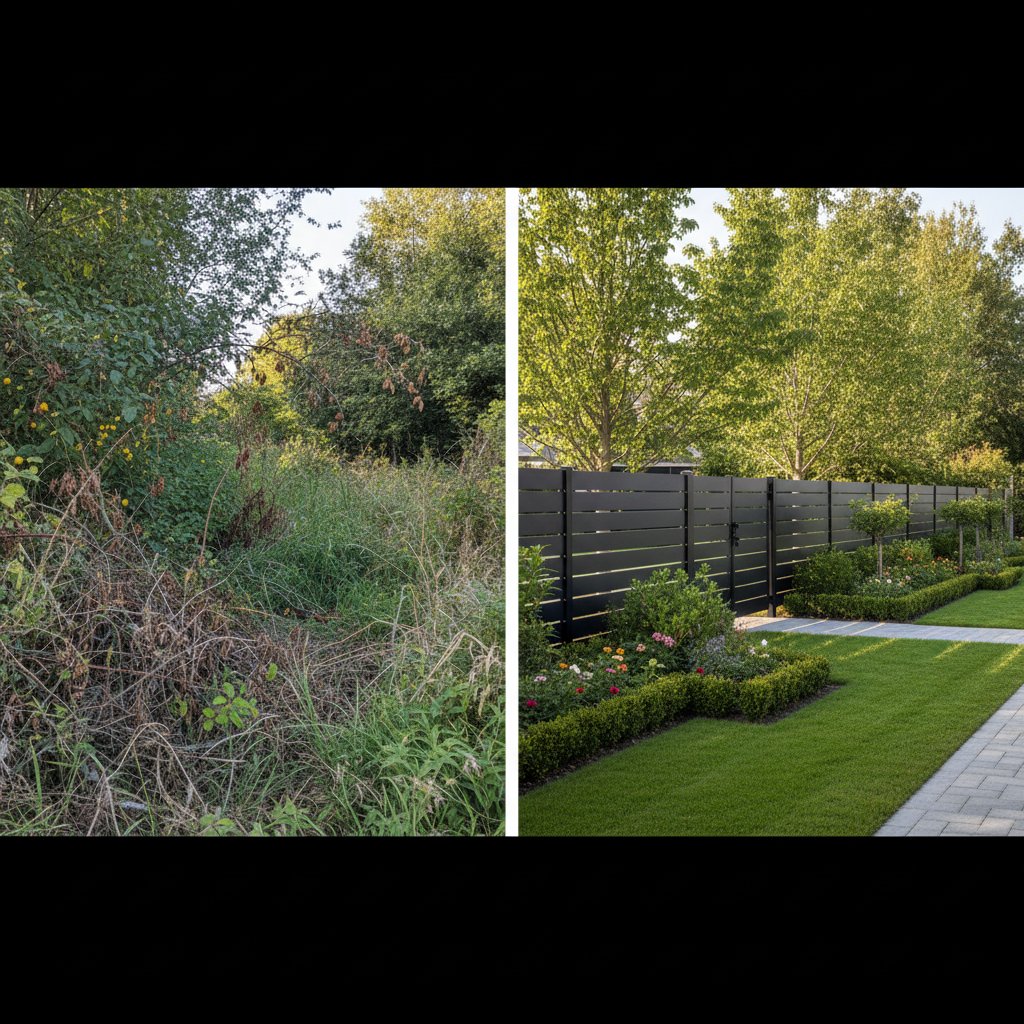
The fence installation game has shifted dramatically over the past year. What used to be a straightforward "dig, set, done" operation now involves permitting apps, laser-guided systems, and materials that didn't exist in most contractors' vocabularies five years ago. If you're planning to install fences professionally in 2024, here's what's actually working on job sites right now.
1. Digital Permitting Has Finally Arrived (And It's Actually Useful)
Remember spending entire mornings at the municipal office, shuffling papers and waiting for someone to stamp your permit application? Those days are fading fast. Most mid-sized cities now offer digital permit submission, and the approval times have dropped from 3-4 weeks to about 8-12 days on average.
The real game-changer is integration with property line databases. Apps like PermitFlow and BuildingEye pull boundary data directly, which means fewer disputes with neighbors claiming you're six inches over the line. One crew in Austin reported their permit rejection rate dropped from 22% to just 4% after switching to digital submissions with automated boundary checks.
The catch? You need to factor in the learning curve. Budget about two weeks for your team to get comfortable with the platforms, and expect to pay around $80-150 per month for the decent services.
2. Composite Materials Are No Longer the "Expensive Option"
Composite fencing costs have dropped roughly 30% since 2022, making them competitive with premium wood options. A standard 6-foot privacy fence that would've cost $45 per linear foot in composite now runs closer to $32-35, depending on your supplier relationships.
Here's why this matters for your business: installation time is roughly 40% faster than traditional wood. No need for pre-drilling in most cases, the posts are lighter to handle, and clients aren't calling you back in two years for warping issues. One installer in Portland switched 60% of their projects to composite and cut their callback rate from 18% annually to under 5%.
3. Laser Level Systems Pay for Themselves in Three Jobs
Forget the bubble level and string line for complex installations. Self-leveling rotary lasers (the ones that actually work, running $400-800) have become standard equipment for crews doing more than basic residential work.
The math works out fast. On a 200-foot fence line with elevation changes, you'll save approximately 3-4 hours of adjustment time. That's real money when you're paying a two-person crew. The accuracy also means fewer material overruns—one contractor calculated they reduced waste by about 12% just from better initial measurements.
4. Pre-Dig Utility Location Isn't Optional Anymore (Even for Residential)
The liability landscape shifted hard in 2023. Hitting an underground line now carries fines starting at $2,500 in many jurisdictions, even on private property. More importantly, insurance companies are denying claims if you can't prove you did a locate request.
Smart crews are using private locating services in addition to the free 811 service. Yes, it costs $200-400 per job, but it catches the stuff that isn't in public databases—irrigation lines, invisible dog fences, that random electrical run the homeowner installed themselves in 2008. Pass this cost directly to clients; they understand it once you mention the word "liability."
5. Modular Panel Systems Are Dominating Commercial Work
Commercial fence installation has gone full modular. Pre-fabricated panel systems can be installed at roughly 3x the speed of traditional post-and-rail construction. A crew that might complete 100 linear feet of traditional chain-link in a day can knock out 250-300 feet with quality modular systems.
The upfront material cost runs about 15-20% higher, but labor savings crush that difference. You're also looking at installations that stay plumb and true for years without the settling issues that plague traditional methods. Several large property management companies now spec modular-only in their RFPs because they're tired of dealing with sagging gates and leaning sections.
6. Same-Day Concrete Setting Actually Works Now
Rapid-set concrete formulas have improved to the point where you can actually trust them. Products like Quikrete Fast-Setting allow you to complete installations in a single day, including letting clients use their gates that same evening.
The technique requires adjusting your workflow. You're working in smaller batches, moving faster, and there's zero room for "we'll come back and tweak it tomorrow." But for residential clients, being able to promise a one-day installation is worth a 10-15% premium on your quote. Test it on a few smaller jobs before committing to larger projects—the working time is genuinely about 15 minutes, and that's not marketing speak.
7. Transparent Pricing Wins More Bids Than Low-Balling
Clients in 2024 have done their homework. They've watched YouTube videos, browsed material costs at Home Depot, and read three blog posts about fence installation before they even call you. Coming in with an itemized quote that shows exactly where their money goes builds more trust than just being the cheapest number.
Break out materials, labor, disposal, permits, and overhead separately. When clients can see that $800 is going to permits and concrete rather than just vanishing into "installation costs," they're more likely to accept your number even if a competitor comes in lower. One installer reported their close rate jumped from 34% to 51% after switching to fully transparent pricing sheets.
The fence installation industry has professionalized faster in the last two years than in the previous ten. The contractors thriving right now aren't necessarily the ones who've been around the longest—they're the ones willing to adapt their methods, invest in actual efficiency improvements, and treat it like the skilled trade it is. The barrier to entry might be low, but the barrier to running a profitable, sustainable fence business has never been higher.