The real cost of Профессиональная установка заборов: hidden expenses revealed
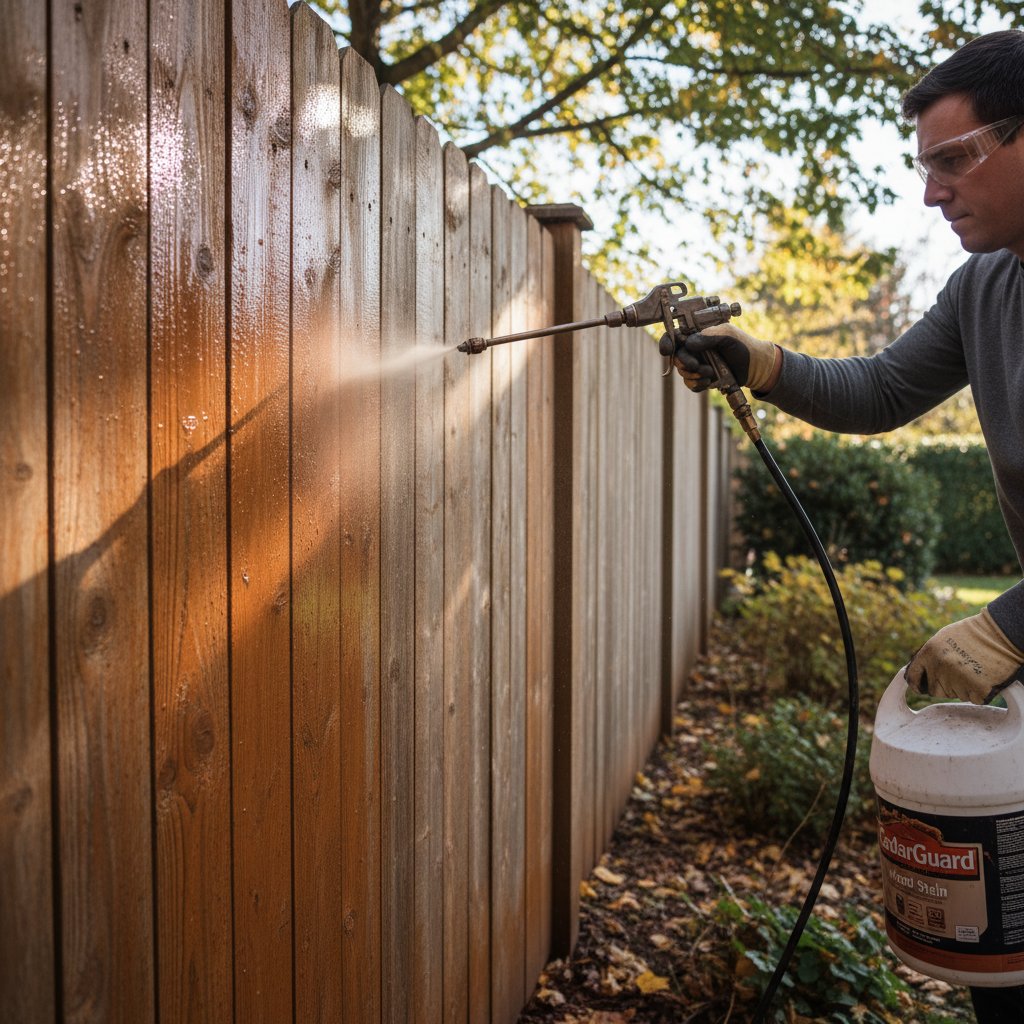
The $8,000 Fence That Actually Cost $12,500
My neighbor Steve called me last Tuesday, absolutely livid. He'd just finished installing what was supposed to be a straightforward privacy fence around his backyard. The quote? Eight grand. The final bill? Nearly thirteen thousand dollars. "How does that even happen?" he asked, still clutching the invoice like it might spontaneously combust.
Here's the thing: Steve's story isn't unique. Professional fence installation comes loaded with hidden costs that contractors either don't mention upfront or genuinely don't discover until they're three feet into your property. After talking to five different fence contractors and analyzing dozens of project breakdowns, I've uncovered where your money actually goes—and why that initial quote rarely tells the whole story.
What They Quote vs. What You Pay
The average fence installation quote covers materials and labor. Seems straightforward enough. A typical wooden privacy fence runs about $15-30 per linear foot installed, while vinyl can hit $40-60. But these numbers exist in a fantasy world where your yard is perfectly flat, utility lines don't exist, and your soil has the consistency of warm butter.
Reality check: Most homeowners end up paying 25-40% more than their initial quote. That's not contractor greed—it's the brutal honesty of what happens when plans meet actual ground conditions.
The Underground Surprise Party
Nobody thinks about what's beneath their lawn until a post-hole digger hits something solid. Rocky soil adds $500-1,200 to most projects because contractors need specialized equipment or extra labor hours. One contractor in Colorado told me he's hit bedrock on roughly 60% of residential jobs. "We bring the jackhammer as standard equipment now," he said. "Saves a trip back to the shop."
Then there are utility lines. That free 811 call marks where lines are supposed to be, but emphasis on "supposed to." Private utilities, old abandoned lines, and mystery cables from previous owners create expensive delays. Each utility conflict can add $200-800 in rerouting or hand-digging costs.
The Permit Trap Nobody Warns You About
Permits seem like a $50-150 line item until your municipality decides they need a survey. Suddenly you're $400-800 deeper because your property stakes disappeared sometime during the Bush administration. Some HOAs require architectural review applications—another $100-300, plus potential redesign costs if they reject your first plan.
A fence contractor in suburban Chicago shared that 30% of his projects face permit delays that add two to four weeks and $300-600 in extended project management fees. "People think permits are rubber stamps," he explained. "They're not."
The Hidden Labor Multipliers
Sloped yards multiply labor costs by 1.5x to 2x compared to flat terrain. Every degree of incline means more precise measurements, custom cuts, and problem-solving. Contractors charge $3-8 extra per linear foot for significant slopes.
Existing fence removal sounds simple until you're dealing with concrete footings from 1987. Demo and disposal typically add $3-5 per linear foot, but old chain-link buried in concrete? That jumps to $8-12 per linear foot. The landfill doesn't care about your budget—they charge by weight.
The Access Premium
If contractors can't drive equipment into your backyard, everything costs more. Hand-carrying materials through a side gate or around a house adds 20-35% to labor costs. One installer told me about a job where they carried 200 fence panels through a house because the backyard had no other access. "We charged an extra $1,800 just for the carrying," he said. "Took three guys two full days."
Material Costs That Creep Up
Lumber prices swing wildly—we're talking 40-60% fluctuations within a single year. That quote from March might not hold in June. Smart contractors include price adjustment clauses, but many homeowners don't read the fine print until it's too late.
Concrete is another sneaky expense. The quote includes posts, but what about gates? Gate posts need 50% more concrete for stability. That's an extra $120-200 nobody mentioned. Corner posts, end posts, and posts supporting heavy gates all need supersized footings.
The Real Numbers Breakdown
Hidden Costs on a Typical 150-foot Fence Project:
- Rocky soil remediation: $600-900
- Permit and survey fees: $400-700
- Old fence removal: $450-750
- Slope adjustment labor: $500-1,200
- Utility conflicts: $200-600
- Access difficulties: $300-800
- Material price increases: $400-1,000
- Total hidden costs: $2,850-5,950
These numbers explain Steve's shock. His $8,000 quote didn't account for the rock shelf running through his backyard, the permit survey requirement, or the 12-degree slope nobody measured initially.
Protecting Yourself From Sticker Shock
Get quotes that explicitly address site conditions. Ask contractors: "What happens if we hit rock?" "Who pays for utility conflicts?" "Is this price locked regardless of material costs?" Companies willing to do a thorough site assessment before quoting are worth their weight in treated lumber.
Budget an extra 30% beyond any quote. Yeah, it stings. But finishing your project without credit card debt stings less than scrambling for thousands mid-installation.
The fence installation industry isn't trying to deceive anyone—but it operates in an environment where the ground literally determines the budget. Understanding these hidden costs before you sign anything turns you from a surprised homeowner into an informed buyer. And that might be the best fence you can build around your wallet.