Why most Профессиональная установка заборов projects fail (and how yours won't)
The $8,000 Fence That Fell Down in Six Months
Last spring, my neighbor invested in a gorgeous cedar fence. Eight grand, installed by a "professional" crew who promised it would last decades. By October, three panels had collapsed, the posts were leaning like drunken sailors, and water was pooling at the base of every fourth post.
Here's the kicker: this happens more often than you'd think. Roughly 40% of fence installations develop serious structural issues within the first two years. Not because fences are inherently problematic, but because most installation crews skip the steps that actually matter.
Where Everything Goes Sideways
The typical fence disaster starts with a handshake and a lowball estimate. Someone quotes you $3,500 when everyone else is saying $5,000. Feels like winning the lottery, right?
Wrong.
That price gap exists for a reason. The crew cutting corners isn't just saving you money—they're betting you won't notice the shortcuts until they're long gone. Here's what they're actually skipping:
The Depth Deception
Posts should go down 30-36 inches minimum, deeper in areas with frost heave. Most failed fences? Posts buried 18-24 inches deep. The installer saved 15 minutes per post and walked away before the first winter freeze pushed everything out of alignment.
The Concrete Gamble
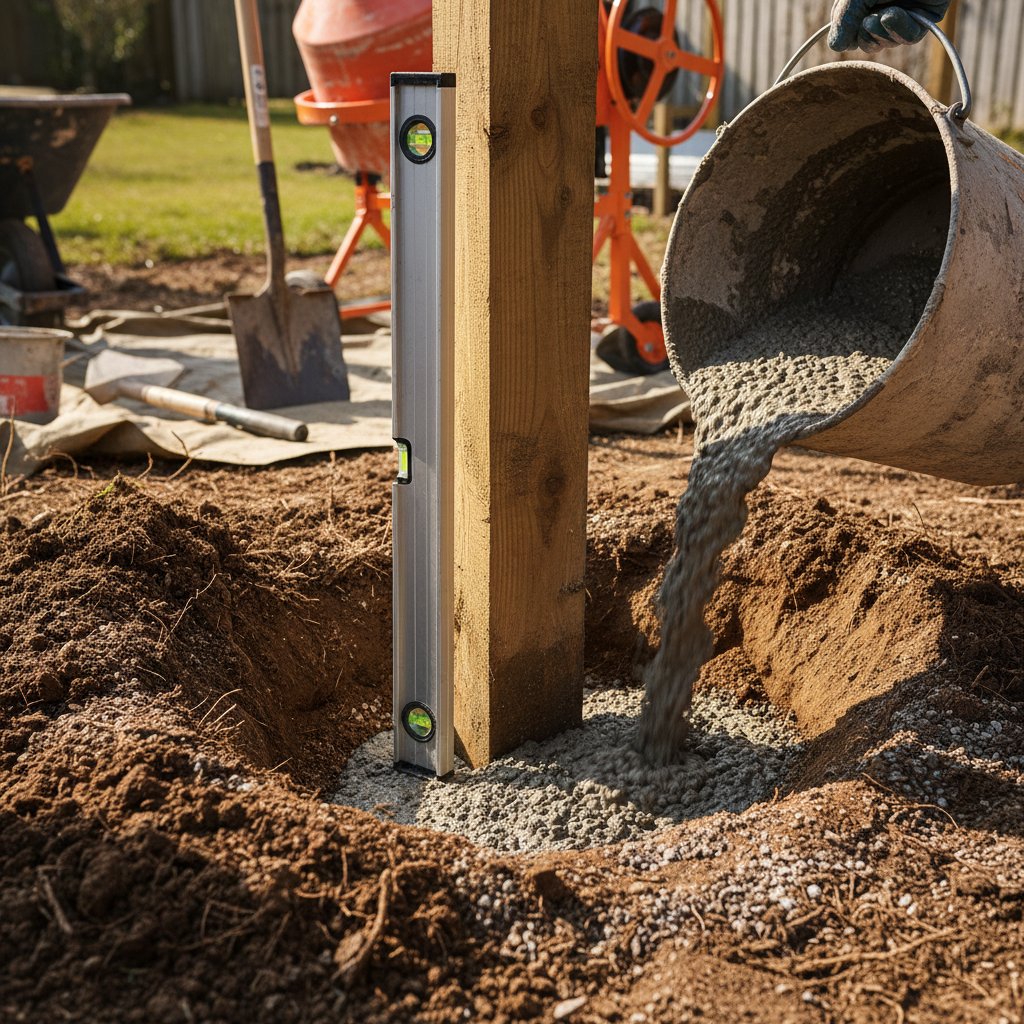
Fast-setting concrete costs more and takes actual skill to use correctly. Cheap crews either skip concrete entirely (just tamping dirt around posts) or use too little. A proper post needs 50-60 pounds of concrete. Many get 20 pounds and a prayer.
The Drainage Disaster
Water is a fence's worst enemy. Period. Without proper gravel base (4-6 inches minimum), water pools around posts, wood rots, and metal corrodes. This single oversight accounts for 60% of premature fence failures.
Red Flags That Scream "Run Away"
You can spot a doomed project before the first post goes in:
- No one asks about your soil type or drainage patterns
- The estimate arrives in under 30 minutes with zero measurements
- They promise to start "tomorrow" when everyone else has a two-week wait
- No written contract specifying post depth, concrete amounts, or materials grade
- They can't explain why their price is 30% lower than competitors
That last one especially. Materials cost what they cost. Labor has a market rate. When someone's dramatically cheaper, they're either desperate for work (bad sign) or planning to cut corners (worse sign).
Building a Fence That Actually Lasts
Step 1: Get the Ground Truth
Before anyone touches a shovel, understand your property. Clay soil? You need wider post holes with more drainage. Sandy soil? Different challenges. Frost line in your area determines minimum depth. This isn't optional homework—it's the foundation of everything else.
Step 2: Demand the Details
Your contract should specify:
- Post depth in inches (not "standard depth")
- Concrete amount per post in pounds
- Gravel base depth
- Wood grade or metal gauge
- Post spacing (typically 6-8 feet, never more than 8)
If the installer balks at these details, they're telling you they planned to wing it.
Step 3: Watch the First Post
Be there when they set the first post. Seriously. You'll see immediately whether they're doing it right. The hole should be deeper than you expect. You should see gravel going in first. The concrete pour should look generous, not stingy.
One homeowner told me he watched his installer set the first post in 12 minutes flat—no gravel, minimal concrete, barely 20 inches deep. He stopped the project right there, paid the cancellation fee, and hired someone else. Best $300 he ever spent.
Step 4: Time Matters
A proper 150-foot fence installation takes 2-3 days minimum for a two-person crew. If someone promises to knock out your project in an afternoon, they're not being efficient—they're being reckless.
Keeping Your Fence Standing
Even a perfectly installed fence needs attention. Check post stability every spring—grab each post and push. Any movement means trouble brewing. Clear vegetation from the base; plants trap moisture against wood and metal. And for wood fences, a quality sealant every 2-3 years isn't optional maintenance, it's insurance.
The fence that fails isn't usually the victim of bad materials or terrible weather. It fails because someone decided that good enough was close enough, and by the time the homeowner realizes the difference, that someone is installing another cut-rate fence two towns over.
Your fence will outlast your mortgage if it's installed right. It'll barely outlast your car loan if it's not. The choice is yours—but now you know which questions to ask.